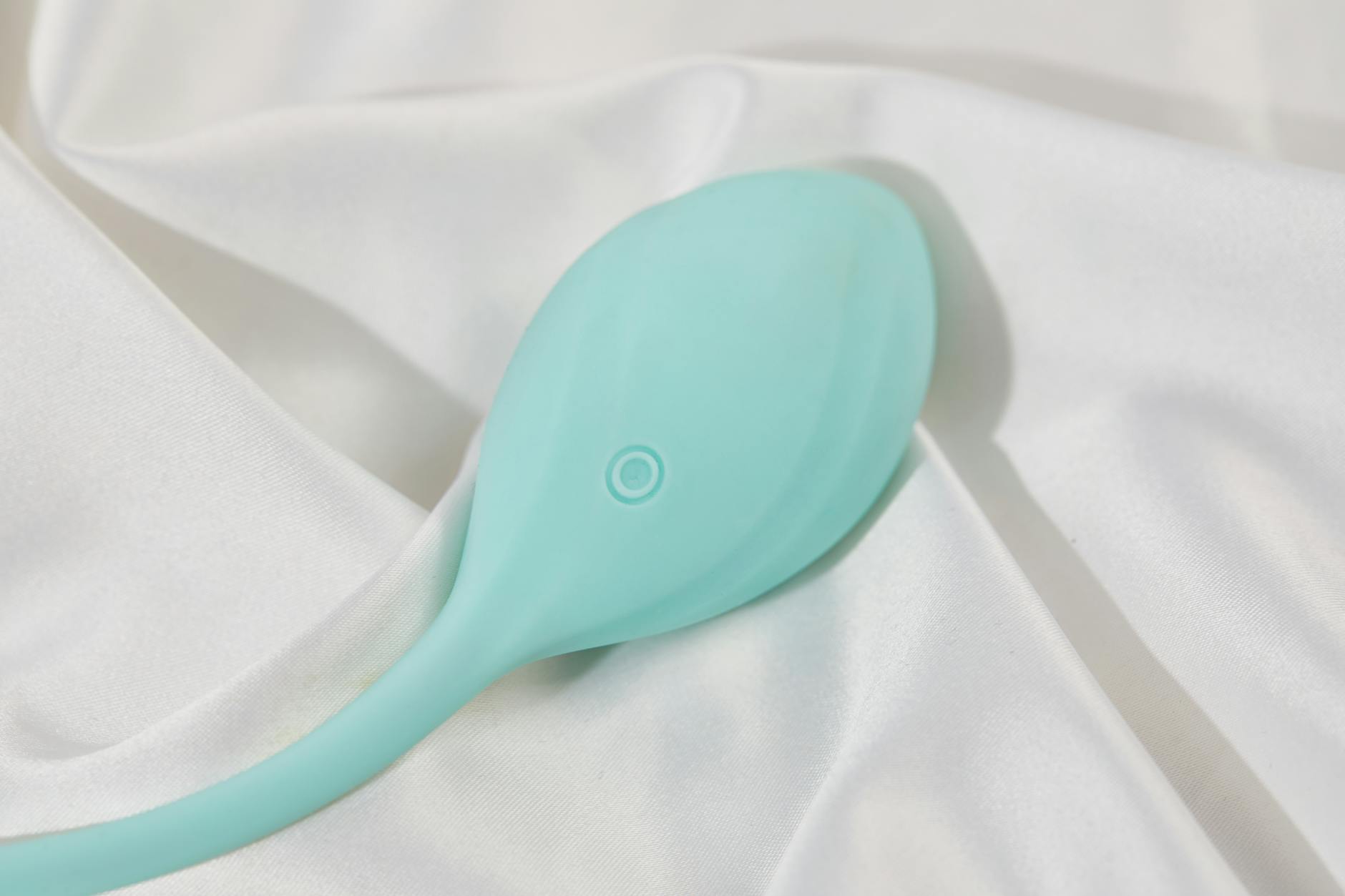
How Lemon Vibrators Help Rebuild Pleasure After Hormonal Shifts
When your body changes, your tools need to change too. Here's what happens during hormonal transitions and why suction-based stimulation rebuilds sensation better than traditional vibration.
Let's be real: hormonal transitions mess with pleasure in ways nobody talks about clearly. Your body doesn't stop wanting stimulation. It just processes it differently. The nerve pathways are still there. The capacity for orgasm is still there. But the tissues that deliver sensation to those nerves change texture, thickness, and blood flow. That's not a metaphor. That's biology.
When estrogen drops—whether from birth control changes, perimenopause, hormonal medications, or thyroid shifts—the vulva gets less plump, less vascular. The clitoris still has the same nerve density, but the tissue surrounding it thins. Lubrication becomes sparse. Arousal takes longer. And here's the part that surprises most people: traditional vibrators often feel either too intense or too numb. You're either feeling the buzz too sharply against thin tissue, or you're not feeling much at all.
That's where lemon vibrators—specifically suction-based clitoral stimulators like the Lem—work differently. They don't rely on surface friction. They use gentle suction and pulsation to draw blood back into the tissue, wake up sensation, and rebuild the neural response. The technology actually adapts to what your hormones have shifted.
Most vibrators use direct mechanical oscillation. They buzz against tissue. When tissue is thinner or less vascular, that buzz can feel either painful or deadening depending on the intensity setting. You're chasing a sweet spot that keeps moving.
Lemon clitoral vibrators work on a different principle. The suction gently pulls the clitoral tissue into the mouth of the device, then releases it in a pulsing rhythm. This creates two things traditional vibrators can't: increased blood flow and varied stimulation pattern.
Here's why that matters during hormonal shifts. When estrogen drops, the tissue becomes less elastic and less responsive to standard stimulation. Suction increases local blood flow, which literally plumps the tissue temporarily and restores some of the lost vascularity. That's not a placebo effect. That's a measurable physiological change. The pulsing pattern—not constant buzzing—also allows your nervous system to stay engaged. Your body adapts to constant vibration over time. Pulsing patterns reset that adaptation.
Many clients tell me their first experience with a lemon vibrator during a hormonal transition feels like their clitoris waking up after being asleep. That's partly because the suction is activating sensation differently, and partly because the increased blood flow is literally restoring tissue responsiveness.
Sensation doesn't disappear overnight. It fades in phases, and knowing which phase you're in changes how you approach rebuilding pleasure.
Phase one: The adjustment lag. Hormones shift faster than tissue adjusts. For the first 2-4 weeks of a hormonal change, everything feels slightly off. Arousal is slower. Orgasms might be softer. This is usually temporary—your body is recalibrating, not broken. A lemon vibrator helps during this phase because the suction primes the tissue before the rest of your arousal response kicks in.
Phase two: The tissue adaptation. After 4-12 weeks, the tissue itself changes. It thins further, dries more easily, and becomes less reactive to standard stimulation. This is when traditional vibrators start to feel genuinely unhelpful. You're not being less responsive—the tool is misfitting your body. Switching to suction-based stimulation (like lemon vibrators) here typically restores sensation fast.
Phase three: The neural reset. After 3-6 months of altered sensation, your brain starts to second-guess whether pleasure is still possible for you. That's a psychological layer on top of the physical one. You're not being dramatic. This is real. Using a tool that works reliably—like a lemon clitoral vibrator—helps break that doubt loop.
Timing and pacing matter more when you're rebuilding sensation after hormonal changes. Here's what I recommend.
Start with longer warm-up. Give yourself 20-30 minutes of non-genital touch first—your neck, chest, inner thighs, anywhere but the clitoris. Hormonal shifts mean arousal takes longer to build. Rushing straight to the lemon vibrator won't work; you need the mental and physical groundwork first. Shorter warm-ups often fail, then you blame the vibrator. It's not the tool. It's the timing.
Use the lowest pattern first. Lemon vibrators have multiple pulsing patterns. Start at pattern 1 or 2, even if you used higher settings before the hormonal shift. Your tissue is more sensitive now, not less, even though it feels less responsive. A gentler pattern lets the suction do its job without overwhelming the thinner, more delicate tissue. You can always increase later in the session.
Session length matters. Long sessions—60+ minutes—with a lemon vibrator can create temporary numbness even in people without hormonal changes. During hormonal transitions, cap sessions at 20-30 minutes, then take a break. Your nervous system isn't tired. The tissue is. Brief sessions also keep you from chasing an orgasm that might not come, which resets expectation and reduces frustration.
Lubrication is non-negotiable. Hormonal drops mean less natural lubrication. Water-based lube isn't optional; it's essential. Apply it generously to both the clitoris and the opening of the lemon vibrator. This protects the tissue and helps the suction work optimally. Silicone-based lubes damage silicone toys, so stick to water-based.
Not every pleasure shift during hormonal transitions requires medical intervention. Most are normal and reversible with the right tool and approach. But some red flags warrant a checkup.
If you're experiencing pain (not just pressure or mild discomfort, but actual pain), or if lubrication has stopped almost entirely, or if you've gone 3+ months with zero orgasmic sensation, talk to a menopause-trained GP or gynecologist. Genitourinary syndrome of menopause is real and highly treatable—usually with topical estrogen creams that have minimal systemic absorption. Fixing the underlying tissue condition makes every tool work better, including lemon vibrators.
If desire itself has evaporated (not arousal, but the wanting), that's a different conversation. Testosterone therapy is worth discussing with a specialist, especially if you're in a relationship and both partners miss that sexual spark. It's available and often shifts things fast.
One thing I've seen consistently: when someone switches from traditional vibration to suction-based stimulation (like lemon clitoral vibrators) during a hormonal transition, sensation often returns noticeably within 2-3 weeks. Not because the vibrator is magical. Because it's matching the current state of the tissue instead of fighting it.
Your nervous system wants to respond. Your clitoris wants to feel pleasure. The tissue just needs a tool that works with what it's become, not against it. A lemon vibrator does that. The suction increases blood flow, the pulsing patterns prevent adaptation, and the wider stimulation area means you're engaging more of the clitoral body, not just the tip. That's why lemon vibrators work better for clitoral sensitivity after hormonal changes.
Most importantly, using the right tool rebuilds confidence. When something actually works during a transition when everything felt broken, you remember that your body still knows how to feel pleasure. That mental shift is huge.
Hormonal transitions often happen in the middle of a relationship. Your partner might not understand why what worked last year doesn't work now. You might feel disconnected or inadequate. The temptation is to pull away from sex entirely.
Bringing a lemon vibrator into that conversation can actually reconnect things. It's not replacing your partner. It's adapting to a real physical change. If you're exploring this together, start by showing them how the tool works on its own. Then explore whether they want to be involved. Some couples find that using a lemon vibrator together deepens intimacy during a transition. Others prefer it solo. Both are completely valid.
Absolutely. Some hormonal birth control methods cause the same tissue thinning and lubrication changes as menopause, just less dramatically. If you're noticing reduced sensation or slower arousal on your current birth control, a lemon vibrator often helps. If the effect is severe or worsening, talk to your provider about whether a different method might work better for your body. Why lemon vibrator intensity feels weaker with certain medications covers this in detail.
Variable, but most people report noticeable improvement in 2-4 weeks of regular use (2-3 times per week) with the right tool. Some shifts take 8-12 weeks for full restoration. The key is consistency and patience, not intensity. Many people give up after one session thinking the tool doesn't work. It works better with regular, gentle use.
Completely normal. Your body isn't broken. It's just processing arousal differently now. Slower buildup doesn't mean less pleasure. It often means deeper, more sustained pleasure once it arrives. Budget extra time for foreplay (with a partner or solo) and consider this a feature, not a bug.
Yes. Lemon vibrators are actually excellent for first-time users, especially during hormonal transitions, because the suction feels less intense and more intuitive than traditional vibration. Start with the lowest setting, use plenty of lube, and expect to spend 20-30 minutes exploring. No pressure to orgasm on the first try.
No. Use it when you want to. Some people use it only during solo sessions. Some use it with partners occasionally. Some incorporate it regularly. There's no prescription. Your pleasure is self-directed. The tool is there when you want it.
That's useful information. It means either the tissue changes are more significant than average (worth checking with a specialist), or suction-based stimulation just isn't your preference. Some people never click with lemon vibrators, and that's fine. The point is trying something designed for your current body and adjusting from there. If suction doesn't work, your specialist can explore other options—topical treatments, different vibrator styles, or other tools entirely.
Hormonal transitions are real, they affect pleasure, and they're completely normal. Your body hasn't betrayed you. It's just changed. The right tool—like a lemon clitoral vibrator—adapts to that change instead of fighting it. You deserve pleasure at every stage of life, and that often means updating your approach, not abandoning your sexuality.
If you want to explore further or have specific questions about your situation, reach out to our team. We're here to help you find what works for your body as it is now.