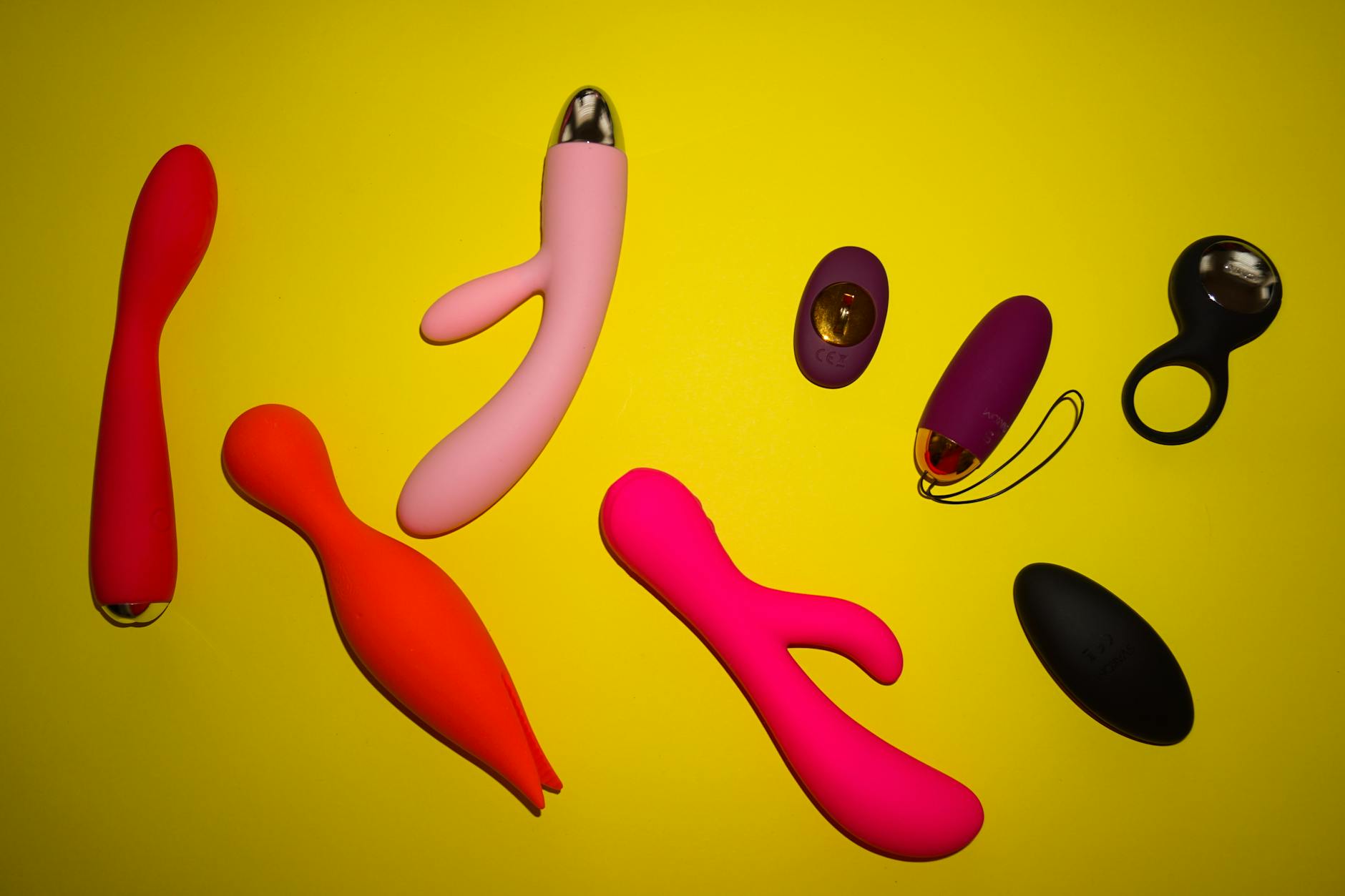
Why Lemon Vibrator Intensity Feels Weaker With Certain Medications
SSRIs, blood pressure meds, and hormonal birth control can genuinely blunt sensation and orgasm. Here's why it happens, and how to reclaim pleasure with the right tools and timing.
Your medication isn't the problem. Your pleasure is not broken. But the gap between what your body used to feel and what it feels now is real, it's pharmacological, and it's fixable. If you've noticed that your lemon clitoral vibrator, or any vibrator, feels less intense than it used to, and you started a new medication around the same time, you're not imagining it.
Common culprits: SSRIs (selective serotonin reuptake inhibitors like sertraline, escitalopram, paroxetine), SNRIs (like venlafaxine), blood pressure medications, hormonal birth control, and certain diabetes drugs. The mechanism differs by drug class, but the outcome is frustratingly similar. Sensation flattens. Arousal takes longer to build. Orgasm either disappears or arrives after exhausting effort.
This post is for anyone who has asked themselves: "Am I depressed? Anxious? Just getting older? Or is this the medication?"
SSRIs work by increasing serotonin availability in your brain. That's why they work for depression and anxiety. But serotonin doesn't just regulate mood. It also suppresses dopamine in certain pathways, and dopamine is a major player in sexual arousal and pleasure.
More specifically, SSRIs can:
Delay or prevent orgasm entirely (sometimes called anorgasmia)
Make orgasm feel less intense or less satisfying when it does arrive
Reduce genital sensation overall
Lower overall sexual desire
Make arousal take longer to build
This happens in roughly 40-60% of people taking SSRIs, depending on the drug and the dose. If you're one of them, you're not broken. Your neurochemistry is temporarily recalibrated.
The kicker: the sensation dampening is often not dose-dependent. Taking less of the medication doesn't reliably help, and stopping cold turkey is dangerous. So you're stuck in a bind. The medication is keeping you functional, but it's also making you feel like pleasure is behind frosted glass.
SSRIs aren't alone. Other medication classes create sexual side effects through different pathways.
Blood pressure medications (beta-blockers, ACE inhibitors, calcium channel blockers) can reduce blood flow to the genital area, which directly weakens arousal and sensation. Adequate blood flow is essential for genital engorgement and nerve responsiveness. Cut the blood flow, and everything feels muffled.
Hormonal birth control (the pill, the ring, the shot) suppresses testosterone, which many people don't realize is crucial for desire and clitoral sensitivity in all bodies with vulvas. Lower testosterone means lower baseline arousal and slower pleasure buildup. This is why some people feel sexually "flat" on hormonal contraception.
Antipsychotics and mood stabilizers can increase prolactin, a hormone that actively suppresses sexual function. Antidiabetic medications can impair blood flow or nerve function, affecting sensation directly.
Antihistamines (the ones in allergy meds) can dry out mucous membranes, including genital tissue, making stimulation feel less responsive.
The common thread: most of these medications either reduce blood flow, alter hormone balance, or change neurotransmitter activity in ways that directly compromise sexual sensation and arousal.
Here's where air-suction clitoral vibrators like the Lem make a real difference for medication-dulled sensation.
Traditional vibrators rely on direct mechanical stimulation. If your nerves aren't firing normally because of medication, you need increasingly intense vibration to feel anything. You end up pushing harder, using higher settings, and still coming away unsatisfied.
Lemon clitoral vibrators work differently. They use gentle suction and pulsing rather than pure vibration. This stimulates nerve endings through a different mechanism. Instead of friction, you're creating gentle pressure waves that engage more of the clitoral tissue at once. For people on SSRIs or blood pressure meds, this often feels more noticeable and more pleasurable than traditional vibration alone.
Additionally, the Lem's suction pattern tends to build sensation gradually. It doesn't require you to start at maximum intensity to feel anything. You can begin at a lower setting and let sensation accumulate, which is especially useful when arousal is slower than it used to be.
If medication is blunting your pleasure, try these steps in order.
Step 1: Talk to your prescriber. Don't assume you have to live with this. Options exist:
Switching to a different SSRI. Some (like bupropion) have fewer sexual side effects.
Adjusting the dose. Sometimes a lower dose maintains the mental health benefit with fewer sexual side effects.
Taking a "drug holiday" if you and your doctor agree it's safe. A day or two off the medication per week is sometimes discussed for specific SSRIs, though this isn't routine.
Switching to a different drug class altogether if one exists for your condition.
These conversations matter. Your prescriber needs to know that the side effect is affecting your quality of life.
Step 2: Timing and arousal prep. While you're working with your prescriber, optimize what you can control:
Start arousal earlier. Build 20-30 minutes of foreplay or solo exploration into your routine instead of assuming sensation will snap to attention in 5 minutes.
Use lubricant. Medication-induced dryness is real. Water-based lube removes friction and makes sensation more apparent.
Try a lemon clitoral vibrator specifically. The suction mechanism often feels more responsive than traditional vibration when sensation is dampened.
Step 3: Experiment with lower intensity and longer sessions. The lemon sucker works well here. Start at setting 1 or 2 and give yourself 15-20 minutes. Let sensation build gradually rather than expecting intensity to hit immediately.
Step 4: Consider an add-on medication. Some doctors will prescribe something specifically to counteract sexual side effects. Buspirone (an anti-anxiety med) sometimes helps with SSRI-induced anorgasmia. Sildenafil (Viagra) can improve blood flow for people on blood pressure meds. These aren't universal fixes, but they're worth discussing.
If you switch medications or adjust your dose, sexual function often improves within 2-4 weeks. Sensation doesn't always snap back instantly, but you'll usually notice the frosted-glass feeling lifting gradually.
If you're staying on your current medication, sensation won't return to baseline just by waiting. But you can absolutely rebuild pleasure and satisfaction by understanding how your body responds now and using tools and timing that match that reality.
Many people find that once they accept the medication isn't going anywhere and adjust their expectations and approach, they regain more satisfaction than they expected. The lemon vibrator, combined with longer arousal time and lower intensity settings, often delivers pleasure that feels surprisingly good.
If sexual dysfunction persists after switching medications or if the side effects are affecting your relationship, a sex therapist or relationship counselor is worth exploring. Sometimes the issue is straightforward pharmacology. Sometimes it's also about grief, resentment, or a mismatch in how partners are communicating about the change.
Specialists in this area exist. Finding one who understands both the medical side and the relational side makes a difference. If you're in a partnership, a couple's therapist who doesn't shy away from sexual function can help you both navigate the adjustment without turning it into a relationship crisis.
Bupropion (Wellbutrin) has fewer sexual side effects than most SSRIs because it works on dopamine and norepinephrine rather than serotonin. But it's not right for everyone. It's more activating, which can worsen anxiety or trigger mania in people with bipolar disorder. And it's not necessarily more effective for depression. Talk to your prescriber about whether it's a fit for your specific condition. Don't switch on your own.
Often yes. The suction mechanism tends to feel more responsive than traditional vibration when sensation is dampened by medication. You may need to start at lower intensities and allow more time for arousal, but many people report satisfying orgasms with a lemon vibrator even while on SSRIs. It's worth trying before you assume pleasure is off the table.
If you and your doctor decide to discontinue your SSRI, sexual function usually improves within 2-4 weeks. But tapering off SSRIs can trigger withdrawal symptoms, and some conditions return quickly when the medication stops. Never stop cold turkey. Work with your prescriber on a safe taper schedule.
No. Sexual function typically returns within 3-6 months of stopping hormonal contraception. If you're considering a switch, talk to your gynecologist about non-hormonal options like the copper IUD, which doesn't suppress testosterone. If you need to stay on hormonal birth control, the strategies in this post still apply.
Yes, though they're not universally effective. Buspiron, bupropion, or sildenafil are sometimes prescribed alongside SSRIs to help with sexual dysfunction. Some people take a brief "drug holiday" with their prescriber's approval. Others use a tool like a lemon vibrator to work around the limitation. Ask your doctor what might fit your situation.
A few reasons: tolerance to the medication can shift your baseline sensation over time. Aging and hormonal changes compound medication effects. Relationship stress or life changes can make you more aware of the limitation. And sometimes the medication itself needs dose adjustment as your body changes. If this is new for you after years on the same dose, it's worth a checkup with your prescriber.
Medication transformed your mental health for the better. That's real. But it also changed your sexual function, and that's real too. Neither of those facts makes you broken, and neither one has to be permanent. The goal isn't to choose between mental health and pleasure. The goal is to understand what's happening, work with your doctor, and use tools and timing that match your body now.
A lemon clitoral vibrator, combined with patience and communication, often bridges that gap better than you'd expect. Your pleasure matters. So does your mental health. You deserve both.