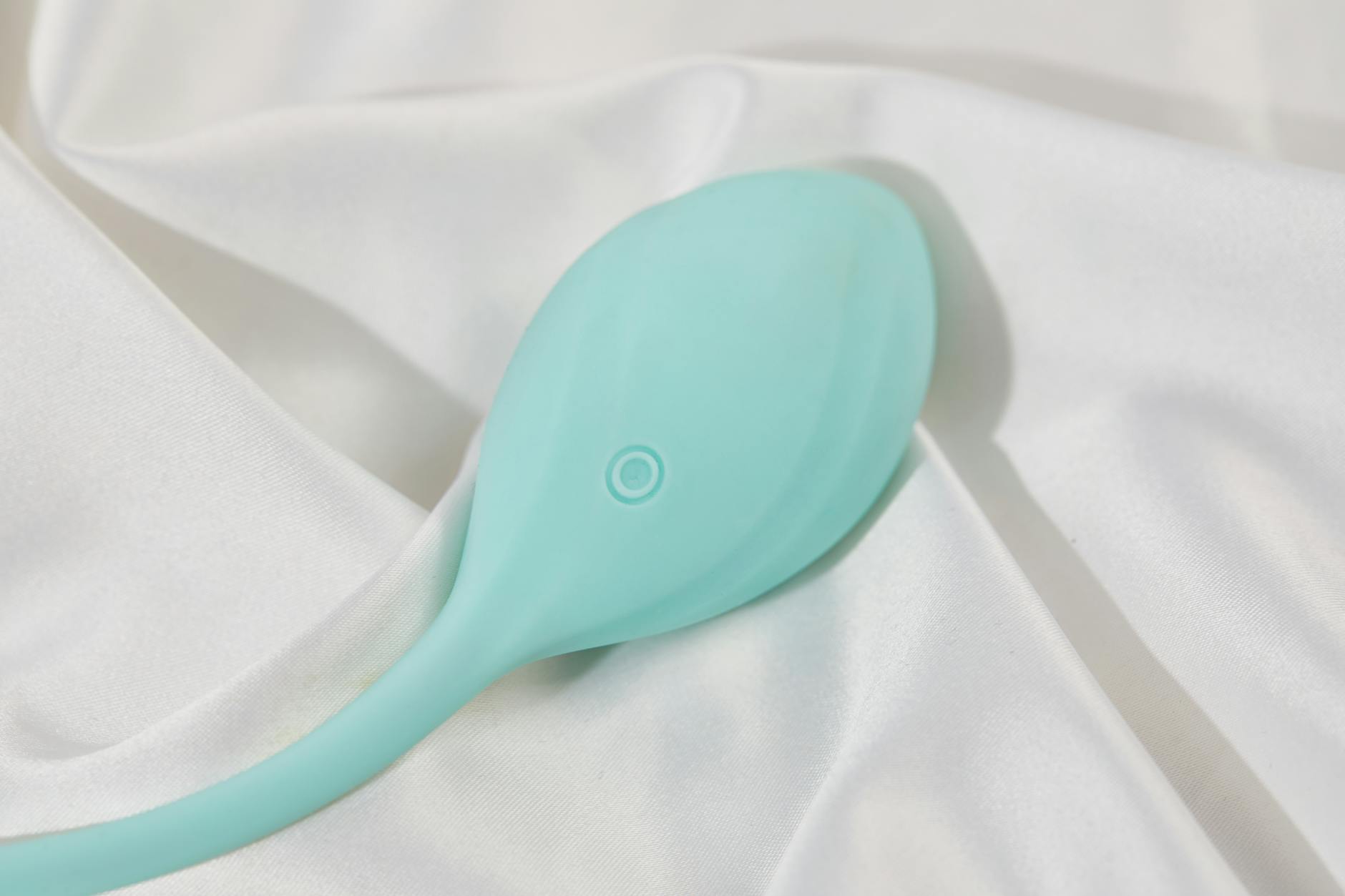
Why Your Lemon Vibrator Orgasms Feel Different as You Age
Your clitoral vibrator still works beautifully. Your body just responds to it differently now. Here's what's actually happening and how to work with it.
Somewhere between your thirties and your fifties, something shifts. You reach for your lemon vibrator and expect the usual lightning bolt. Instead you get something different. Maybe softer. Maybe more spread out. Maybe it takes longer to build. And your immediate thought is: something's broken.
Your clitoral nerve density doesn't decrease with age. That's the good news. What changes is everything around it.
Blood flow to the genitals slows slightly. This means arousal takes longer to register. A lemon clitoral vibrator that triggered sensation in seconds at 25 might need 30 seconds at 45. This isn't weakness. It's just a different rhythm.
Your skin thins over time, especially if estrogen is dropping. This makes the clitoris itself more sensitive to direct pressure, which sounds great until you realize it means your favorite intensity setting might feel uncomfortable now. You're not losing sensation. You're becoming more sensation-aware.
Nerve signal travel slows fractionally as you age. Your brain still receives the message. It just takes microseconds longer. What this means in practice: the orgasm might feel more localized instead of full-body, or it might arrive in waves instead of a peak. Different, not worse.
Traditional vibration delivers stimulation through rapid oscillation. Air-pulse technology like the one in Hello Nancy's lemon suction toys works differently. It creates rhythmic suction that pulls tissue rather than hammering it. This matters more as you age because it's less dependent on the exact firmness of your tissue and more about the mechanical action itself.
Many people report that lemon adult toys with suction feel more effective after 40 than they did before. This isn't coincidence. The physics work better on tissue that's less plump with estrogen. The suction creates a fuller sensation without requiring the same level of direct friction.
Estrogen and progesterone aren't just about fertility. They're also about genital blood flow, tissue hydration, and the speed at which your parasympathetic nervous system kicks in during arousal.
When these hormones drop (whether from natural aging, surgical menopause, or medication), the genitals take longer to engorge. This is why lemon vibrators work better with lubrication for dryness. Not because you're broken, but because the tissue has less natural fluid. A water-based lubricant isn't a sign of failure. It's a tool that matches your body's new reality.
Testosterone also drops gradually with age in everyone. Yes, people with ovaries produce testosterone. It's a significant driver of genital sensation and orgasmic intensity. Slowly declining testosterone means arousal takes more deliberate focus. It doesn't mean it's gone.
Your pelvic floor muscles get tighter and less flexible as you age. This sounds like it should help with sensation. Often it does the opposite.
When the pelvic floor is too tense, it actually dampens sensation and makes orgasm harder to achieve. It's like trying to hear someone speak through clenched teeth. The tighter you clench, the less you hear.
This is why many people find that using a lemon vibrator for maximum pleasure now requires a step that didn't matter before: conscious relaxation. Taking five minutes to breathe deeply and soften the pelvic floor before using your lemon clitoral vibrator changes everything. Not because you're doing something wrong, but because your body's gained a new requirement for optimal sensation.
Antihistamines, blood pressure medications, SSRIs, and beta-blockers all affect sexual response. Not because they're bad drugs, but because they change blood flow and neurochemical signaling. If you started a new medication and your clitoral vibrator suddenly feels less intense, that's almost certainly the culprit.
Talk to your doctor. There are often alternatives that work for you and your pleasure. Don't just accept that this is your new normal. Sometimes a one-drug switch transforms sensation back to what you remember.
Here's what I tell people: aging and pleasure aren't in conflict. They're in conversation.
Your lemon sexual toy didn't stop working. You've just become more specific about what works. That specificity is a superpower because it means you stop wasting time on techniques that never really worked anyway.
Three shifts I see people make:
First, they get intentional about warm-up. Instead of hoping arousal happens fast, they budget time. They take a hot shower. They read something that appeals to them. They breathe. By the time the lemon vibrator comes into play, their body's already halfway there.
Second, they experiment with settings in a new way. Best lemon vibrator settings for different stages of arousal means something different now. You might start on pattern two instead of pattern one. You might stay there longer instead of racing to the highest setting. Your body will tell you what it wants if you listen.
Third, they stop comparing this version of pleasure to the last one. The orgasms feel different. So what? Different doesn't mean smaller. It often means quieter, more internal, less about the external event and more about the internal texture. Many people find these are the best ones they've ever had.
If you're with someone, the worst thing you can do is pretend nothing's changed. The second worst thing is to act like your body's the problem.
Your body's not the problem. It's just operating under new parameters. Say that out loud. "I'm noticing my body responds differently now. I want to explore that together instead of getting frustrated."
That conversation shifts everything from shame to curiosity. And curiosity is where pleasure actually lives.
If pain appears during use, that's a signal, not a normal part of aging. Genitourinary changes are real and treatable. A doctor trained in sexual health can help.
If you're on hormonal therapy and want to optimize sexual response, that's a conversation worth having. Not because you need to be "fixed," but because small changes sometimes unlock big shifts.
If your lemon clitoral vibrator used to work and suddenly doesn't, and you've ruled out medication and hormonal changes, check in with a pelvic floor physical therapist. Tension patterns that develop in your forties can be released. It's not permanent.
Your body knows how to have pleasure. It's just learned to have it differently. A lemon vibrator at 45 or 55 doesn't deliver the same sensation as it did at 25, and that's not a loss. It's a redirect. You get to rediscover what works. You get to be curious instead of assuming. You get to stop performing and start actually feeling.
That's not a consolation prize. That's the upgrade.