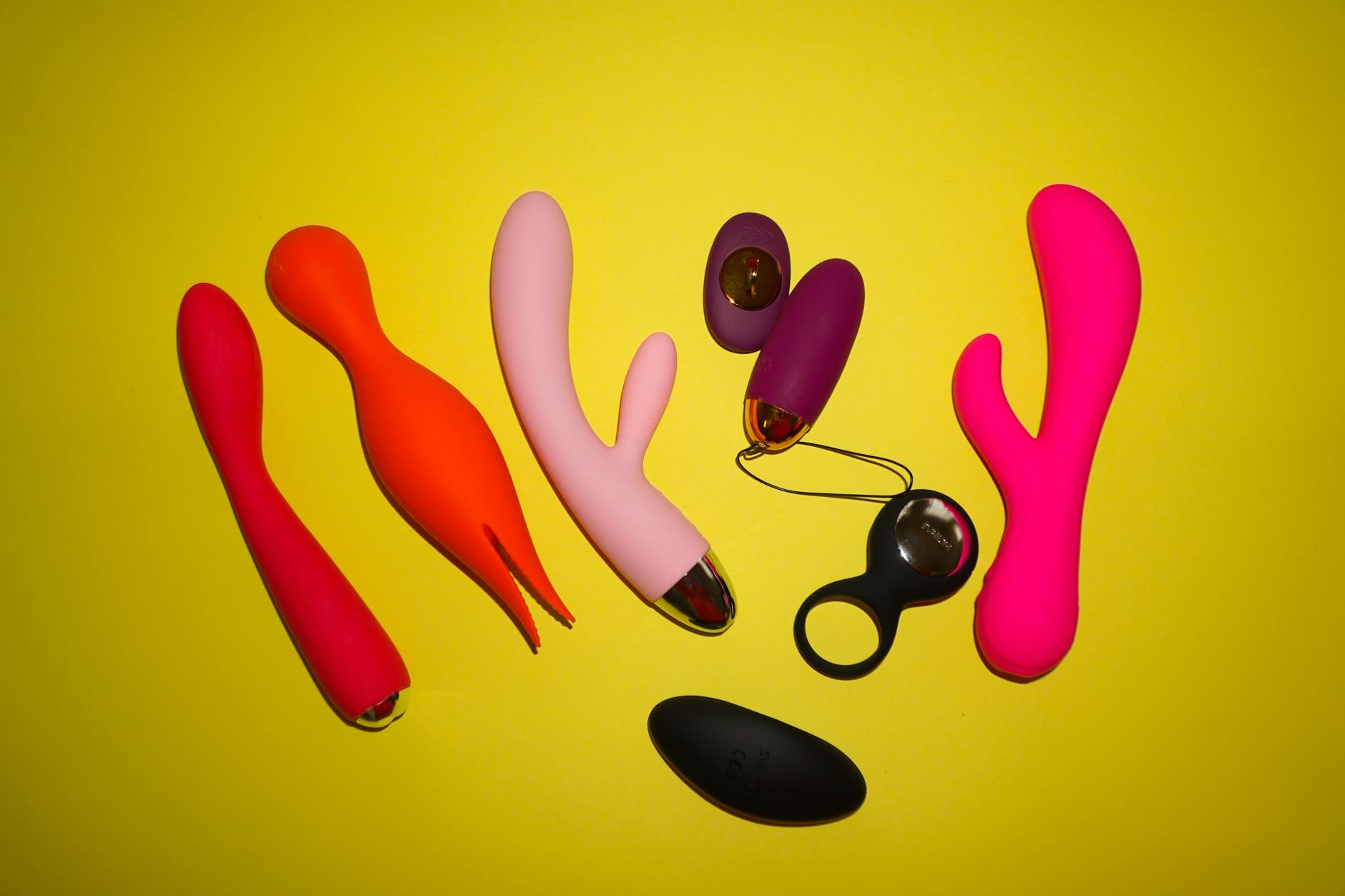
Here's the thing. Most people get a lemon vibrator or any clitoral vibrator and immediately crank it to maximum intensity. Then they're confused when it either feels overwhelming or doesn't hit quite right. The device isn't the problem. The approach is.
Before you even turn anything on, two things matter: privacy and time. Not because pleasure is shameful, but because your nervous system needs to know you're safe. If you're listening for footsteps or keeping one eye on the clock, nothing is going to feel as good.
Set a realistic window. Twenty to thirty minutes is ideal when you're starting out. This isn't a speed run. Your body needs time to warm up, which literally changes how sensitive your tissues are and how quickly you can reach orgasm.
Second, charge your device fully or check the battery. A dying vibrator is weirdly anxiety-producing and kills momentum. If you're using the Lem or another lemon vibrator, familiarize yourself with the button layout first when it's not in use. This sounds obvious but it's genuinely helpful. You don't want to be fumbling in the dark trying to find controls.
I don't say this because your body is broken or because the vibrator won't work without it. I say it because sensation changes dramatically with the right lube.
Use a water-based lube. Always. Silicone lubes are richer and longer-lasting, but they can degrade silicone toys over time, and most quality lemon sexual toys are made from body-safe silicone. Water-based lube dries faster, which is fine. Just reapply as you go.
Start with a dime-sized amount on the tip of the vibrator. Your body will add its own lubrication as arousal builds, so you don't need a huge amount upfront. Too much lube actually dulls sensation because the vibrator isn't making direct contact with your tissues.
This is the step people skip and then wonder why the toy feels weird. Your hand is a better teacher than any vibrator ever will be.
Before you use the lemon clitoral vibrator, spend five to ten minutes exploring with your fingers. Where does touch feel good? Some people prefer direct stimulation on the clitoris itself. Others find that too intense and prefer the area around it. Some like the sides. This isn't a question your brain can answer. Only your body can.
Pay attention to pressure too. Are you using light fingertip pressure or firmer palm contact? That tells you something about what kind of vibration intensity will feel right.
When you're ready, apply your lube to the device and to your skin. Turn the vibrator on at the lowest setting. Not because you're nervous, but because your nerve endings need a moment to register the sensation.
Place it gently against the area you identified with your fingers. You don't need to press hard. Vibrators work through small, rapid movements. Pressure comes from your body weight or hand position, not from pushing.
If it feels too intense immediately, you have two options. One, reduce pressure by barely touching the device against your skin instead of pressing it in. Two, move it slightly to a less sensitive area nearby and let your body adjust for thirty seconds, then move back.
Speed builds pleasure. Most people find that starting at setting one or two (whatever low is on your device) and increasing every two to three minutes creates better sensation than jumping straight to maximum.
The vibrator doesn't move in a circular motion automatically. You do. Small circles, side-to-side movements, or up-and-down patterns all change how the vibration feels against your body.
Try this: keep the vibrator still for fifteen seconds, then move it in small circles. Then try moving it side to side. Notice which creates more sensation. Some people find that gentle rocking motions feel better than staying in one spot.
The angle matters too. A vibrator held perpendicular to your body feels different from one that's tilted. Experiment. There's no right answer, only what works for you.
Many people report that the lemon vibrator design specifically, with its rounded shape and focused tip, works particularly well because it's easy to angle precisely. This isn't an accident. Shape matters.
Once you've found a rhythm and angle that feels good, you can increase the setting. Move up one level and spend another minute or two there before going higher.
Some people reach orgasm at setting three or four. Others want to go to the maximum setting. Neither is more correct. Your body will tell you what intensity creates the most pleasure. Listen to it.
A common mistake is staying at low intensity for too long because you're worried about overwhelming yourself. If you're curious about what higher settings feel like, the only way to know is to try it. You can always turn it back down.
Sometimes a lemon clitoral vibrator or any clitoral toy won't feel amazing on the first try. This doesn't mean the device is wrong or your body is broken.
First, check your lubrication. Sensation drops dramatically if things are drying out. Add more lube and try again.
Second, check your arousal level. If you're not actually turned on yet, the vibrator will feel mostly just like buzzing. Spend more time with your hands, read something that interests you, or watch something that appeals to you before introducing the toy.
Third, try a different area. The sides of the clitoris are often more sensitive than direct stimulation. The area around the clitoris, sometimes called the vestibule, responds well to vibration for some people.
If you're consistently not enjoying it after several tries, a different toy might genuinely be the answer. Every body is different. The lemon vibrator works brilliantly for many people. It might not be the right fit for you, and that's completely fine.
If you're using a lemon vibrator with a partner, the same principles apply but with one addition: communication.
Let them know the settings you like, where you enjoy contact, and how you want them to hold or move the device. "A little to the left" and "stay at level two" are valuable feedback. So is "I'm getting close, don't change anything."
Many people find that their partner doesn't need to do anything except hold the device steady while they control the motion with their own body. That's perfectly valid. Pleasure is collaborative but doesn't mean your partner has to be actively doing something.
After each use, rinse your vibrator under warm water. If you want to be thorough, use warm soapy water and rinse well. Dry it completely before storing.
Store it in a cool, dry place. A drawer is fine. A toy bag designed for this is nice because it keeps it away from dust and lint.
If your lemon sexual toy has rechargeable batteries, charge it fully after every few uses, not just when it dies. This extends battery lifespan.
Using a lemon vibrator well isn't about technique mastery or performance. It's about creating the conditions where pleasure can actually happen. That means privacy, time, patience with your own body, and willingness to experiment without judgment.
Your pleasure matters. Not because a vibrator is some magic solution, but because you deserve to feel good in your body. The tool is just that. A tool.
There's no maximum. Some people orgasm in five minutes and stop. Others use a vibrator for twenty or thirty minutes, building toward stronger sensation over time. There's no rule. Stop when you're satisfied or tired. Your body will let you know when it's had enough.
Yes. Daily use won't desensitize you, despite what you might have heard. Your nerve endings don't build tolerance to vibration the way your skin builds tolerance to a daily irritant. That said, if you notice pleasure decreasing after weeks of daily use, take a few days off. Sometimes a break resets things.
You have a few options. One, use a lighter touch and barely press it against your skin. Two, place a thin fabric like a cotton shirt between the vibrator and your skin to dampen vibration. Three, try a different device with a lower maximum intensity. Some people genuinely need gentler toys, and that's not a problem.
If sensation starts feeling more like friction than vibration, you need lube. If you find yourself pressing harder to feel something, you need lube. If you're enjoying it and not experiencing any discomfort, you're fine. Add lube preventatively if you're planning a long session.
Check your device's specifications. Most lemon clitoral vibrators are water-resistant but not waterproof. Waterproof means fully submersible. Water-resistant means splashes are fine but avoid full dunking. If you're interested in shower use, look for a waterproof rating specifically.
The main difference is shape and surface design. Lemon vibrators tend to have a more compact, rounded form with a focused tip, which some people find more intuitive to angle and control. They're also typically quieter than wand vibrators. Whether one "works better" is entirely personal. The lemon vibrator is excellent, but so are other clitoral vibrators. The right one is the one your body enjoys.
The goal here isn't to turn pleasure into another performance metric. It's to help you use a tool in a way that actually feels good. Start slow, listen to your body, and adjust as you go. That's really it. Everything else is just details.