Science
Why Lemon Vibrator Orgasms Feel Less Intense With Age
Orgasm quality shifts as you age, but it's not broken. Here's what actually changes, what you can control, and why your best experiences might still be ahead.
Science
Orgasm quality shifts as you age, but it's not broken. Here's what actually changes, what you can control, and why your best experiences might still be ahead.
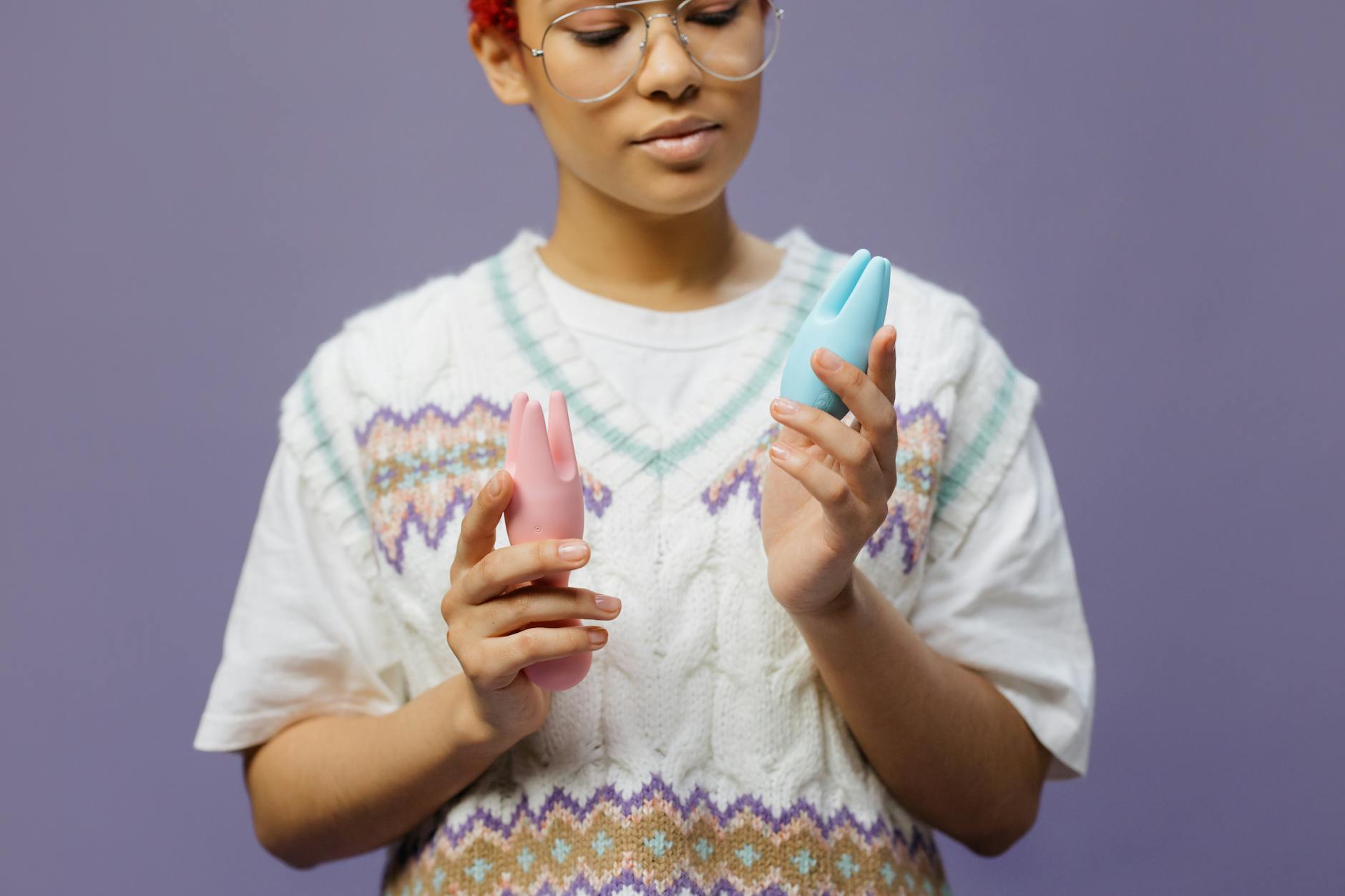
Orgasm feels different as you age. Not broken. Not gone. Different. The intensity drops for some people. The shape changes for others. You might notice it takes longer to build, or the peak feels more diffuse instead of concentrated. If you've been using a lemon clitoral vibrator or other adult toys for years, you might wonder whether the device stopped working, or whether you did. Neither. Your body is recalibrating.
The good news: this is entirely normal, and it's almost always fixable. What's broken is the expectation that orgasm should feel the same at 45 as it did at 25.
Your brain is the largest sex organ. This isn't metaphorical. When researchers study orgasm, they're not really studying the clitoris or the vagina. They're studying the sequence of electrical events in your brain that create the sensation of pleasure. And that sequence absolutely changes over time.
Here's what we know from neuroscience:
As estrogen and testosterone decline (in your 40s, 50s, and beyond), the speed of neural firing in the pleasure circuits slows slightly. Think of it like your favorite song played at 33 RPM instead of 45. The song is still there. Your brain still recognizes it. But the tempo is different, which changes how it feels.
Your pelvic floor muscles also weaken with age, even with exercise. This means they contract less forcefully during orgasm, which is one reason the physical sensation sometimes feels more muted. It's not that you're less capable of pleasure. Your muscles just have less power output.
On top of that, your nervous system's overall sensitivity dulls a bit. You need more stimulation to trigger the same response. This is why longer warm-up time helps so much, and why a lemon sucker or other clitoral vibrator designed for directness often outperforms toys that work better on younger tissue.
Here's where the conversation gets more honest. Yes, your body changes. But stress, distraction, and relationship dynamics shift more dramatically than hormones do.
In my practice, I see this pattern constantly: a woman in her 40s or 50s who's been with the same partner for 20 years feels less intense orgasms, and the immediate thought is "It's my body." Sometimes it is. But just as often, the real issue is that she's split her attention across work stress, aging parents, adult children in crisis, and a partner she's stopped really kissing. The clitoral vibrator didn't stop working. Her bandwidth did.
Orgasm intensity also depends on how aroused you actually are when you start. Many of us skip the warm-up entirely. We use toys as a shortcut instead of foreplay. Younger bodies are more forgiving of this. An older body needs more context. It needs time, attention, and genuine desire, not just mechanical stimulation.
When intensity drops, the instinct is often to buy a stronger vibrator. But stronger isn't always smarter. A lemon clitoral vibrator works differently than traditional vibrators. Instead of high-frequency buzzing, it uses suction and gentle pressure waves. This pattern is gentler on aging tissue while still delivering concentrated stimulation exactly where it matters most.
The lem vibrator's approach is also slower by design. You can't rush it. The pattern unfolds over time, which actually pairs better with an older nervous system that needs that gradual escalation. Many of my clients report that the lemon adult toy helped them rediscover intensity they thought they'd lost, not because it's magically stronger, but because it matched their body's actual needs.
What also helps: using a water-based lubricant even if you don't think you need it. Tissue changes with age, and lubrication improves neural transmission. It also reduces friction that can feel painful on thinner tissue, which means you can actually relax into the sensation instead of bracing against it.
Several things I've noticed reliably flatten orgasm:
Rushing the experience is the biggest one. Your body at 50 is not your body at 25. It needs more time to arouse. If you're allocating 10 minutes for the whole thing, you're already behind. Budget 25 to 40 minutes. Let anticipation build. Intensity comes from buildup, not from the strength of the device.
Using the wrong pattern on your vibrator is the second. If you jump straight to the strongest setting, you numb your nerves fast. Your clitoris is sensitive, and vibration overload creates a ceiling effect. You stop getting more sensation. You just get tired. Start low. Build gradually. Let your body ask for more.
Partner disconnection is the third, and it's often invisible. You can have amazing solo orgasms with a lemon vibrator and still feel distant orgasms with a partner. The solution isn't a better toy. It's rebuilding the non-sexual touch and communication that makes partnered sex actually arousing. This is relationship repair work, not a device problem.
Increase clitoral blood flow before you start. A 10-minute walk, some light movement, or even just breathing deeply increases arousal. Don't jump straight into the toy.
Extend your warm-up. Use your hands, your partner's hands, or a lower-intensity toy first. Let your clitoris wake up gradually. Your lemon clitoral vibrator works better when you're already partially aroused.
Focus on what feels good, not what you think should feel good. If a particular pattern on your lemon sexual toy hits differently than it used to, explore that instead of chasing the old sensation. Your body is teaching you something.
Communicate with your partner about this explicitly. If you're with someone, tell them what's changed. Most partners have no idea why intensity has shifted. They often think it's about them. It usually isn't. Naming it together opens up solutions.
If orgasms have completely disappeared, not just changed, that's worth mentioning to your doctor. Depression, medication side effects, and hormonal imbalances can all affect sexual response. So can cardiovascular health. These are real and treatable.
If pain accompanies decreased intensity, that's another flag. Genitourinary syndrome of menopause (GSM) can make orgasms feel duller because the tissue is uncomfortable. Topical estrogen cream usually fixes this in a few weeks.
If you're on a new medication or have recently stopped one, timing matters. Some antidepressants and blood pressure meds genuinely flatten sexual response. Talk to your prescriber about timing the dose or trying alternatives.
I work with couples in transition, and the mindset shift that makes the biggest difference is moving from "My body broke" to "My body is different, and different might actually be better."
Older orgasms are sometimes less intense but more satisfying. They arrive slower but often linger longer. The buildup teaches you things about your partner and yourself that you didn't know at 25. Many of my clients report that once they stopped chasing the old intensity and started exploring this new version, they found pleasure they'd never experienced before.
Your lemon vibrator, a good relationship, and honest conversation about what's shifted can combine into something genuinely powerful. Not a replica of youth. Something better, because it's actually informed by who you are now.
Orgasm intensity decreases with age because of three overlapping changes: hormonal shifts lower estrogen and testosterone, pelvic floor muscles weaken and contract with less force, and your nervous system's overall responsiveness dulls slightly. Additionally, mental factors like stress, distraction, and relationship dynamics often shift more dramatically than biology does, and these absolutely flatten arousal. The good news is that almost all of these factors respond to simple interventions like longer warm-up, better communication, and the right tools.
Yes, often. The lemon clitoral vibrator uses suction instead of high-frequency vibration, which is gentler on aging tissue while still delivering concentrated stimulation. Many people find that the slower, more intentional pattern of a lemon sucker or lem vibrator pairs better with an older body's needs. The toy can't fix everything, but the right device designed for your current physiology can definitely help. You can also explore how best lemon vibrator settings for different stages of arousal can amplify your experience.
Most people benefit from extending warm-up from 5-10 minutes to 20-40 minutes as they age. This isn't because your body is broken. It's because arousal genuinely takes longer to build. The clitoral tissue needs time to fill with blood, the nervous system needs time to register pleasure signals, and your brain needs time to fully engage. Rushing defeats the point. Patience is what creates the intensity you're looking for.
Yes. Beyond reducing friction and discomfort, lubrication improves how your nervous system receives sensation. Tissue changes with age, and the right water-based lubricant helps your clitoris respond more directly to stimulation. It's not a sign of failure. It's a practical tool that makes pleasure more accessible. Many people discover they enjoy the sensation more, not less, once they add lube.
Sometimes, but not usually. Normal aging causes subtle shifts in intensity. Hormonal problems typically cause complete loss of orgasm, pain during sex, or severe mood changes alongside sexual changes. If intensity has shifted but orgasm is still possible, it's almost certainly normal aging plus behavioral factors. If orgasm has completely disappeared, that's worth discussing with a doctor. Start with your GP or a menopause-trained gynecologist.
Dramatically. Disconnection, resentment, and poor communication absolutely flatten sexual response, especially as you get older. Your body is less forgiving of rushing and less capable of arousing without genuine desire. If you're experiencing lower intensity with a partner, the solution often isn't a better lemon vibrator. It's rebuilding non-sexual touch, real conversation, and feeling genuinely wanted. You might explore how to talk about lemon vibrators with your partner without shame to open that conversation.
Orgasm doesn't stay the same as you age. It evolves. Sometimes it gets less intense, sometimes it gets more complex, sometimes it completely transforms. None of that is failure. It's adaptation. Your clitoris hasn't forgotten how to feel pleasure. Your nervous system hasn't stopped working. You're just operating with different hardware and different emotional context, which means you need different approaches.
The lemon vibrators and clitoral toys you use matter, but they matter less than patience, good communication, and a genuine willingness to explore what pleasure looks like now instead of mourning what it used to look like. Start there. Everything else builds from that foundation.
If you're navigating these shifts with a partner and the conversation feels stuck, reach out. That's what I'm here for.