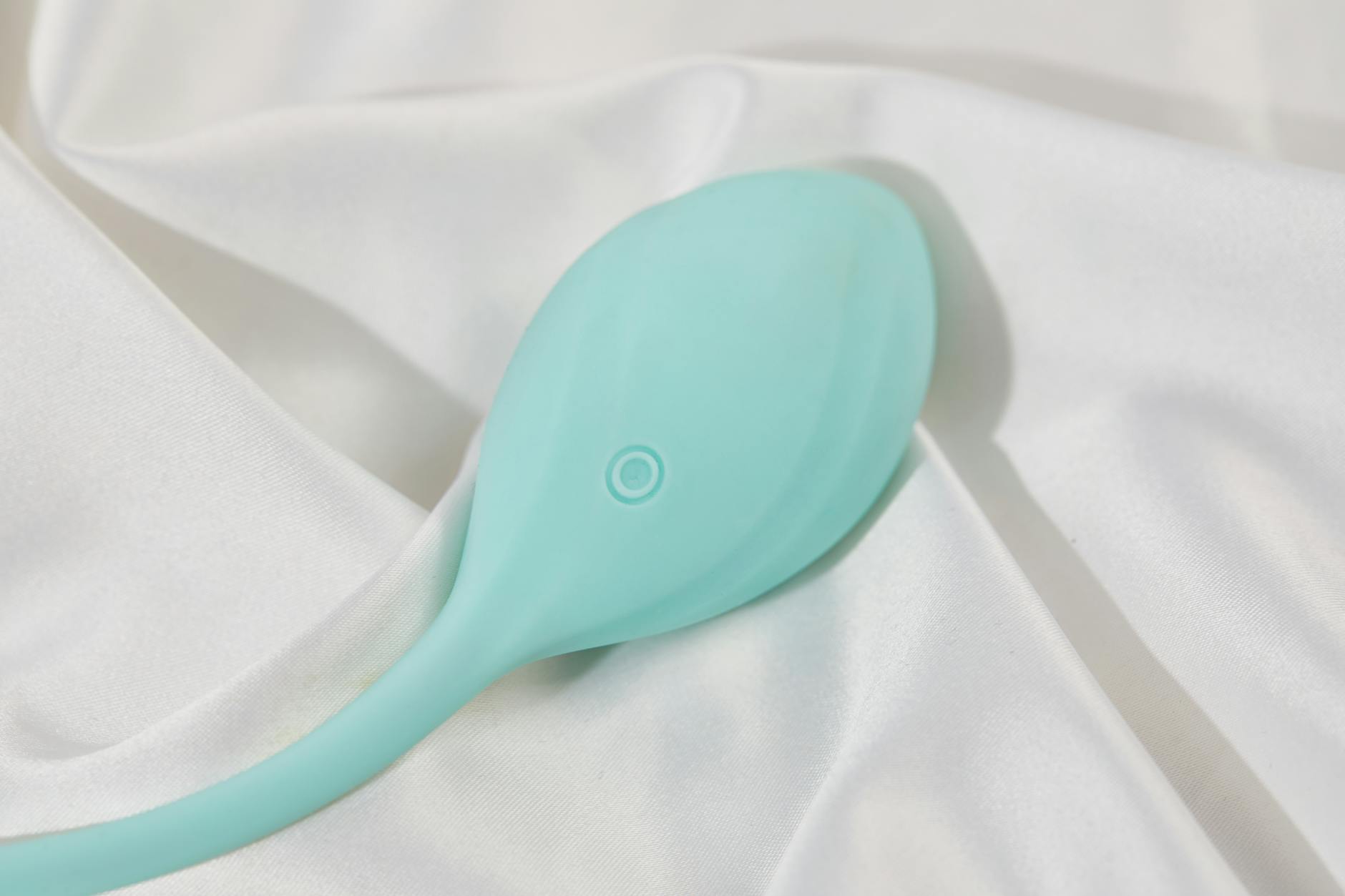
How to Use a Lemon Vibrator for Emotional Connection and Intimacy
Pleasure tools can deepen emotional bonds when they're paired with presence, communication, and intention. Here's how to use a lemon clitoral vibrator to build real intimacy with a partner.
Here's the thing most couples miss: a lemon vibrator isn't a substitute for emotional intimacy. It's a tool that can build it, but only if you use it with intention. I've worked with hundreds of couples who thought introducing a clitoral vibrator would "fix" their sex life, and honestly, that's backward. What actually happens is that a device like the Lem becomes a doorway to deeper communication, vulnerability, and presence.
When pleasure tools enter a relationship without conversation, they can feel like shame or pressure. When they arrive with curiosity and care, they become a language for talking about what you both actually want.
The suction mechanism on a lemon sexual toy works differently than traditional vibration. It creates a sensation that's less about speed and more about steady, sustained stimulation. That rhythm gives your nervous system permission to relax. When your body is genuinely relaxed, your defenses drop. That's when real intimacy becomes possible.
Second, using a lemon clitoral vibrator together reframes pleasure as collaborative rather than performative. Most couples fall into a pattern where one person is "giving" pleasure and the other is receiving it. A shared tool changes that dynamic. You're both paying attention to what feels good. You're both responsible for the experience. That shift alone reduces shame and increases trust.
Start outside the bedroom. Pick a moment when you're both relaxed. Not "Hey, we need to talk about our sex life" which sends most people into a panic. Try something lighter: "I've been reading about different ways couples explore pleasure together. Would you be open to that?"
Listen to what comes back. Maybe they're curious. Maybe they're nervous. Maybe they need time. All of those are fine. The goal isn't to convince them. It's to signal that you're interested in both of you feeling good.
If your partner says yes, offer to show them what you're thinking about. Pull up reviews of the Hello Nancy lemon clitoral vibrator. Let them see it's not a big dramatic thing. It's a tool. Plenty of people use them. No shame required.
Start with your partner. Not with yourself first. This matters because the goal is connection, not proving the device works. Begin with a few minutes of touch that doesn't involve the vibrator at all. This isn't foreplay in the traditional sense. It's presence. Hand on their arm. Eye contact. Breath sync.
When you introduce the Lem, start on the lowest setting. Hold it together. Let them feel it on your arm or neck first so it's not a surprise. Then, slowly move to where they want it. Here's the key: don't disappear into your phone or your head. Stay with them. Watch their face. Notice what changes.
Many couples find that taking turns matters. You use it on them for five or ten minutes. Then they can use it on you. That back and forth deepens the bonding. You're learning each other's body language. You're both being vulnerable in turns. That's intimacy.
It will. Someone will feel weird or worried or like they "should" be enjoying this more. That's normal. Here's what I tell clients: pause everything. Talk about it. "You seem like something shifted. What's happening?" And then listen. Don't defend the vibrator. Don't try to convince them it's fine. Just listen.
Often the discomfort isn't about the device at all. It's about permission. Many of us were taught that acknowledging pleasure, especially our own, is selfish or wrong. A lemon clitoral vibrator forces that conversation into the open. That's actually a gift, even when it's awkward.
I've noticed something in my practice: couples who learn to ask for what they want sexually get better at asking for what they want in general. "Can we use a lower intensity?" becomes "Can we talk about this more gently?" in other parts of life.
The act of using a lemon vibrator together teaches negotiation. Who wants it tonight? What intensity? How long? Those tiny decisions, made with care, build confidence for bigger conversations. Money. Time. Boundaries. Kids. All of it.
That's completely valid. Not everyone is into vibrators. Some people prefer other kinds of touch. Some aren't comfortable with toys at all. Your partner's "no" doesn't mean your relationship is broken. It means you need a different conversation about what kind of pleasure and connection you're both looking for.
Here's what matters: a lemon clitoral vibrator should never be used to pressure someone into sex or to make up for emotional distance. If your partner is avoiding sex entirely, a new toy won't fix what's actually wrong. A therapist usually can.
What I've learned is that the real intimacy isn't about the orgasm or the device. It's about showing up for each other's pleasure without judgment. It's saying, "Your body matters. Your feelings matter. What you want matters to me." That message, delivered repeatedly and sincerely, changes everything.
When you use a lemon vibrator with a partner, you're not just having sex. You're building a story about what kind of lovers you are to each other. You're saying, "We're people who can talk about this. We're people who want each other to feel good. We're people who can be vulnerable together."
That story becomes the foundation for intimacy that lasts.
Not on its own. A lemon clitoral vibrator is a conversation starter and a tool for presence. The actual strength comes from how you communicate about it. If you use it with openness and curiosity, it can deepen your bond. If you use it to avoid talking about real issues, it won't help. The device doesn't do the work. You do.
Go slow. Let them learn about it on their terms. Show them it's not a big deal. Many people have used clitoral vibrators for years without any drama. Your partner's nervousness is usually about vulnerability, not the actual device. Reassure them that you're interested in what feels good for both of you, and that there's no rush or pressure. Sometimes just having the conversation is enough for now.
No. If your relationship has lost sexual connection, that's usually pointing to something deeper. Trust issues. Resentment. Different desire levels. Stress. A vibrator won't address those. What it might do is create an opening for the conversation you need to have. But that conversation usually needs professional help. Think about seeing a couples therapist who's comfortable talking about sex.
Awkwardness is information, not failure. It usually means something needs to be talked about. Maybe there's shame. Maybe there's pressure. Maybe the timing is wrong. Ask your partner what would make it feel better. Maybe you try again later. Maybe you skip the device entirely and focus on other kinds of touch. There's no "right" way to do this that works for everyone.
Absolutely not. Long-term couples often benefit most from exploring new things together. It signals to each other that you're still curious, still willing to be vulnerable, still interested in each other's pleasure. That's actually a sign of a healthy relationship.
There's no rule. Some couples use one occasionally. Some integrate it regularly. What matters is that you both want to. If one person is doing it only to please the other, that's not intimacy. That's performance. Check in with each other about what feels right.