Here's the thing most couples never talk about
You want to introduce a lemon vibrator into your sex life with your partner, but you're stuck in the gap between "I want this" and "How do I actually say it?" That gap feels enormous. It's not.
Communication
The conversation you're nervous about doesn't have to be awkward. Here's how to frame pleasure as something you explore together.
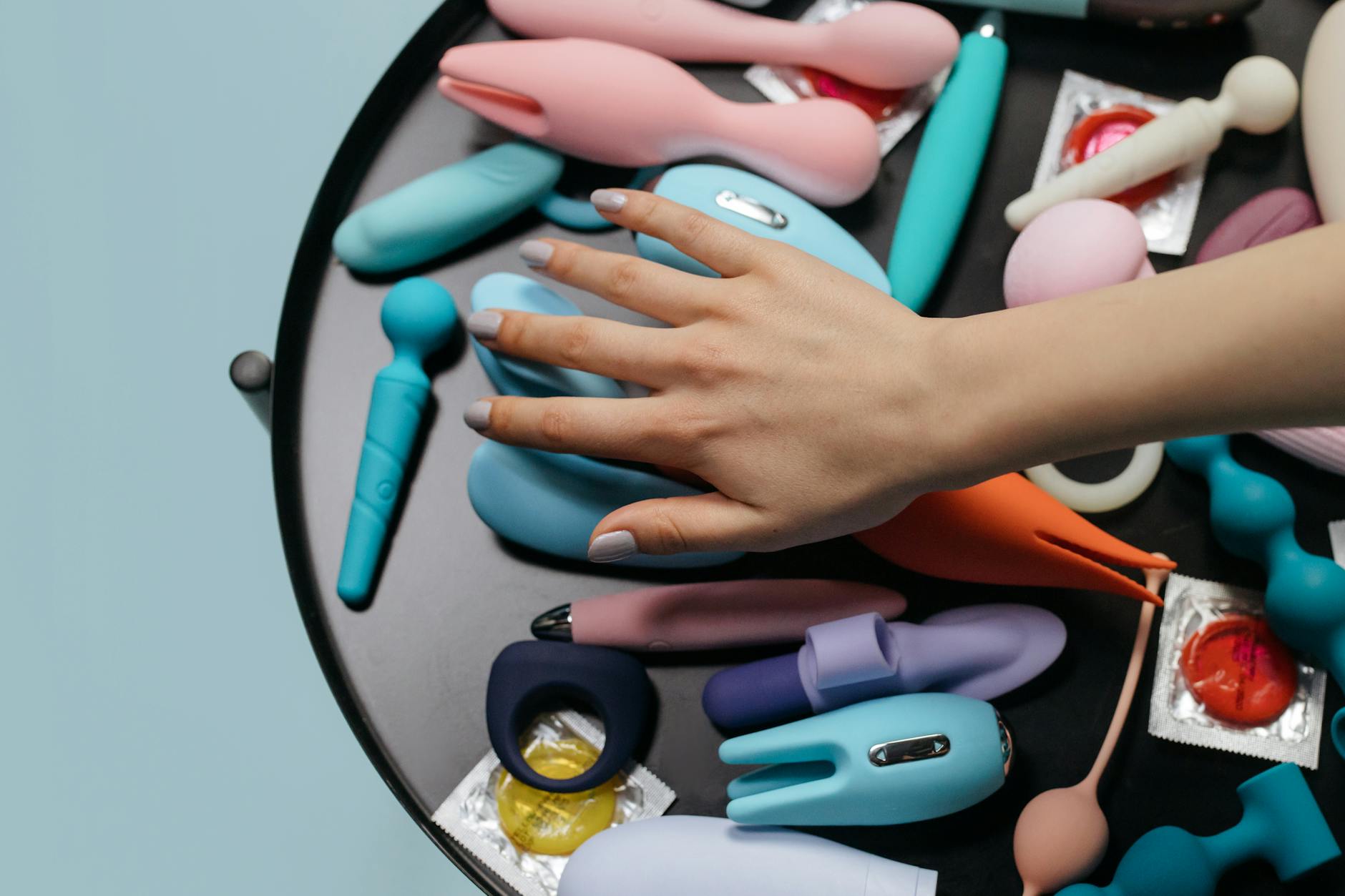
You want to introduce a lemon vibrator into your sex life with your partner, but you're stuck in the gap between "I want this" and "How do I actually say it?" That gap feels enormous. It's not.
The silence around pleasure tools in long-term relationships is one of the most common reasons couples feel stuck. Not because the toys are taboo. Because the conversation itself feels risky. You worry it'll land as criticism, neediness, or weirdness. So you say nothing, which means you both miss out.
I've worked with hundreds of couples through this exact moment. The good news is clear: the ones who handle it well follow a pattern. And you can too.
Introducing a vibrator feels vulnerable because you're essentially saying "I want more pleasure than what we're currently doing." That's not actually threatening to a partner who loves you. But your nervous system doesn't know that yet.
What's really happening is you're about to ask for something specific in a relationship where specificity around pleasure often hasn't happened. So the stakes feel high. They're not, but they feel that way.
The second layer: if you've been together for years, there's an unspoken assumption that "if something were needed, they would know." Introducing a tool can feel like breaking that agreement. It's not. It's just changing the agreement to something more honest.
Don't have this conversation during sex or right before it. Your nervous system is already activated. You want clarity, not arousal.
The best time is calm, clothed, outside the bedroom. Think: a walk, a meal, a quiet evening. Somewhere you can both sit with the conversation without physical sensation muddying the emotional work.
Avoid bringing it up during conflict or when either of you is stressed about money, work, or family. This conversation needs your good attention, not your defensive attention.
Start with your own experience, not the tool. This is the single most important move.
Instead of: "I want to use a vibrator," try "I've been thinking about pleasure lately and realizing I want more of it. Not because anything's wrong. Because I deserve it, and I think we both do."
That's completely different. The first version puts the vibrator front and center. The second version puts desire front and center, and the vibrator is just the logistics.
You could also say: "I read something about clitoral vibrators and it got me thinking about what we could try together. I'd like to talk about it." This is lower stakes. You're not asking permission. You're asking for a conversation.
Or, if you're someone who processes through listening: "I've been curious about what would feel good to explore, and I wanted to check in with you first. No pressure. Just wondering what you'd think about trying something new."
Pick the framing that feels most like you. The specifics matter less than the tone. You're curious and open, not demanding and upset.
Some partners will immediately understand. Some will need a beat. Some will get defensive or weird about it.
If they say something like "Am I not enough?" or "Why would you need that?" don't skip over it. That's real information about what they're hearing. You might say: "You are absolutely enough. This isn't about replacing anything. It's about exploring together. I want to feel good, and I want you to be part of that. A lemon clitoral vibrator is just a tool. Like anything else we try together."
If they shut down or refuse to talk about it, that's different. That's a conversation about why pleasure topics feel unsafe. That might need a counselor. But most partners who care about you will come around once they understand you're not critiquing them. You're asking them to join you.
This is the move that shifts everything.
Instead of "I want to use this alone," lead with "I want to try this with you." Even if you end up using a lemon vibrator solo sometimes, that's fine. But the introduction should position it as a shared exploration.
You could say: "I'd like to experience something new with you. I think a vibrator could feel really good, and I'm curious how it might feel with you involved. We could start slow. No pressure. Just experimenting together."
That reframes the vibrator from a threat to a tool you both benefit from. And it's true. If your partner cares about your pleasure, they should want this.
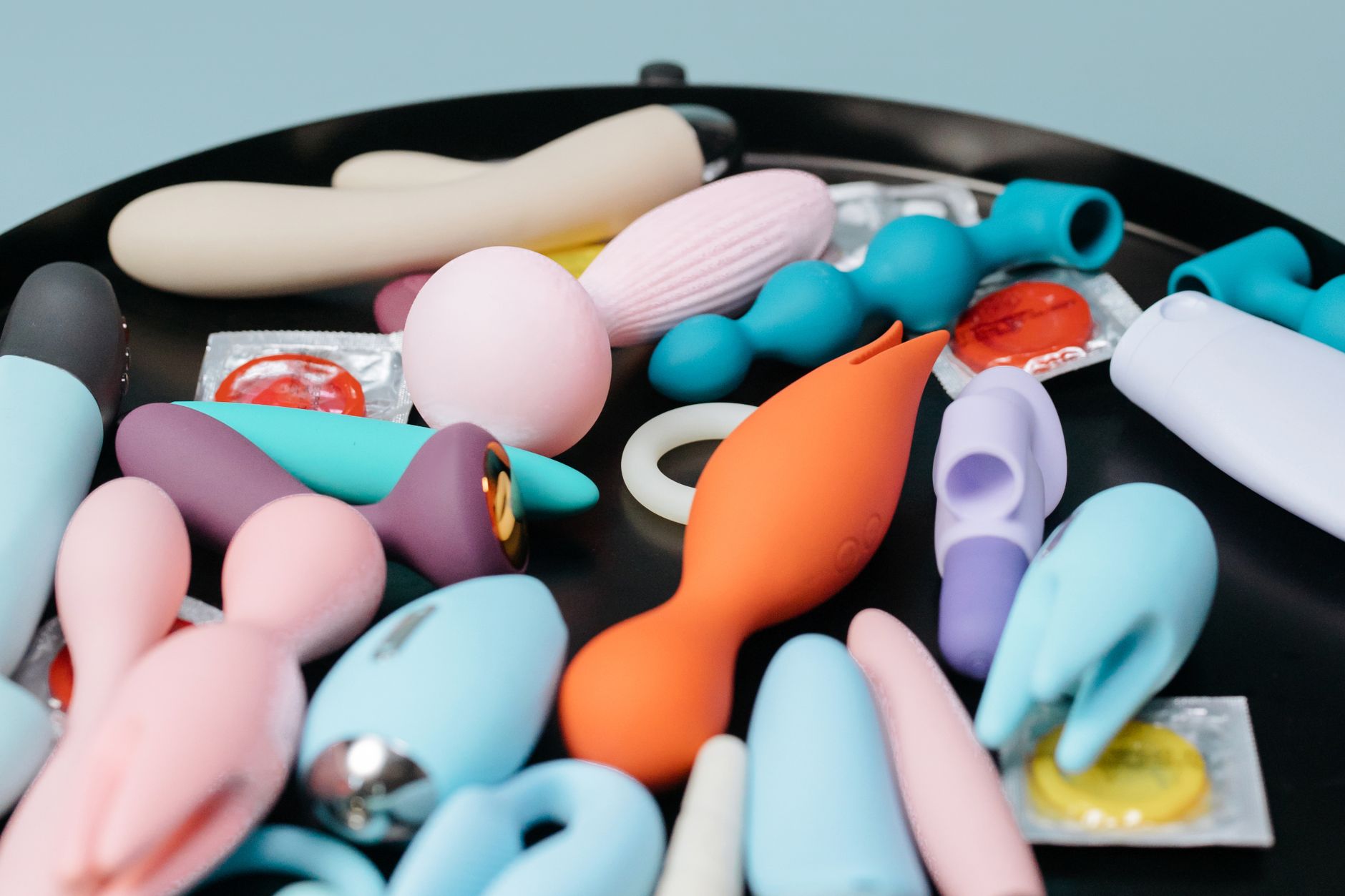
Photo by cottonbro studio on Pexels
Once you've had the initial conversation and they're not running for the door, make it concrete.
You could browse together. Show them what you're considering. Talk about why. "This one has adjustable intensity, which I like because..." or "I read that this type of suction is good for..." Make it educational and collaborative.
If you're recommending a specific toy like the Lemon, you could say: "A lot of people talk about how the suction feels different from traditional vibration. I'm curious what that would be like." You're being specific without being pushy.
Letting your partner be part of the choice gives them ownership. It's no longer something you're bringing to them. It's something you're choosing together.
Communication doesn't end after the conversation. It continues once the toy arrives.
Talk before. "How are you feeling? Any questions?" Sometimes partners have fantasies about this moment that are totally different from reality. Getting aligned ahead helps.
Talk during, if you can. "That feels incredible." "I like when you..." This isn't pillow talk. This is real feedback that lets your partner be part of the experience.
Talk after. "That was really good." "I liked how we..." "Next time I want to try..." You're building a conversation pattern around pleasure. That's what actually changes a relationship.
If the conversation goes sideways or your partner has deeper concerns about sexuality, identity, or commitment, that might be the moment to bring in a couples counselor. There's nothing wrong with that. A good therapist who specializes in sexuality and relationships can help you both get past blocks that have nothing to do with the vibrator and everything to do with deeper fears.
Most couples don't need that. But some do. And knowing the difference is important.
You're not just introducing a lemon vibrator. You're introducing the idea that pleasure is something you both get to have. That asking for what feels good isn't selfish. That your partner's desire to see you satisfied is stronger than any awkwardness.
Once you've had this conversation honestly, other conversations get easier. You can talk about what you actually want instead of what you think you should want. And that changes everything.
They might hear it that way initially. Your job is to separate the two conversations. "I'm really satisfied by you. And I also want to explore new sensations. Those aren't contradictory." Being clear that pleasure is additive, not replacement, helps. You might also ask them: "If there was something that could enhance what we do together, would you want that for yourself?" It usually clicks when they imagine it reciprocally.
Always ask first. Introducing a vibrator as a surprise can feel shocking or inconsiderate, even if you meant it well. Your partner deserves to know what's coming. And honestly, the conversation is half the benefit. You're building a language around pleasure together.
Then you have a real conversation about why. Is it discomfort? Jealousy? Religious belief? Misunderstanding? Each reason needs a different response. If it's a fundamental incompatibility around sexuality, that's a bigger relationship question that might need professional support.
Yes. But ideally, you've built enough trust that they understand your solo pleasure doesn't diminish your time together. You might start by exploring together and then move to solo use once you're both comfortable. The progression matters.
Start smaller. Build the conversation muscle first. "I've been thinking about what makes me feel good and I realized I don't always tell you. I want to change that." Once you can talk about pleasure generally, introducing a specific tool feels less jarring. You're also helping your partner practice receiving vulnerable requests. That's a gift to the relationship.
That's fine. Not every exploration has to be partnered. The key is that you're both comfortable and curious. Solo use, partnered use, taking turns. It's all valid as long as you've talked about what feels right.