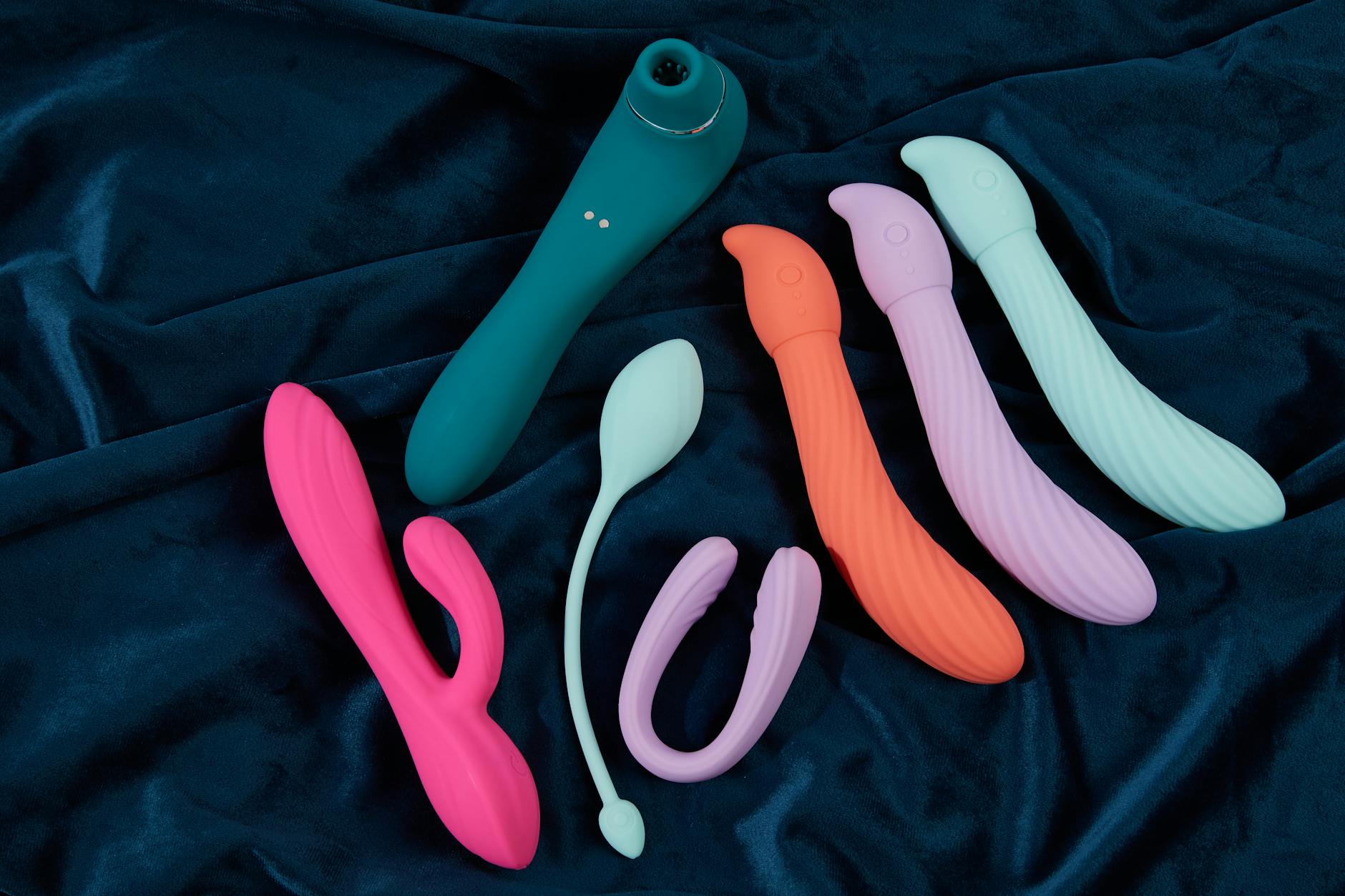
Here's the thing: intensity isn't one-size-fits-all. Your body isn't built like anyone else's, so your lemon vibrator settings shouldn't be either. Whether you're shopping for your first clitoral vibrator or upgrading to a new lemon toy, matching intensity to your actual anatomy and sensitivity patterns makes the difference between mediocre and mind-blowing.
I've worked with clients for years who thought they were "broken" or "not very sensitive" when really they'd just been using the wrong pattern at the wrong speed. Once we matched the device to their body, everything changed. This guide walks you through it.
When we talk about intensity on a lemon vibrator, we're really talking about three separate things: frequency (how many pulses per second), pattern (rhythmic variation), and transmission (how the vibration travels through the device into your tissue).
Frequency ranges on most lemon clitoral vibrators sit between 4,000 and 9,000 Hz. Sounds technical, but here's what it means for your body: lower frequencies feel more percussive and rumbly. Higher frequencies feel buzzy and direct. Neither is better. One just fits your nervous system better than the other.
Pattern is where the real fun happens. A steady pulse feels completely different from a wavering rhythm or short bursts. Some people's clitorises respond instantly to rhythm. Others go numb to patterned stimulation and need steady, predictable sensation to build arousal.
Transmission is the least-talked-about factor but maybe the most important. Suction-based lemon vibrators like the Lemon clitoral vibrator transmit stimulation as gentle negative pressure rather than direct vibration. This changes everything if you have a sensitive vulva or if you've found traditional vibrators uncomfortable.
Not all clitorises are the same size or shape. Some sit more internal, some more external. Some are particularly sensitive at the glans (the tip), others respond better to stimulation of the shaft or the hood.
If your clitoris is small or tucked under a prominent hood, you likely need more focused, targeted intensity. A narrow suction toy works better than a broad, rumbly vibrator. If your clitoris is naturally larger and more exposed, you might find narrow suction uncomfortable and prefer a wider stimulation pattern that lets you move around and explore.
This is worth knowing before you buy. A lemon vibrator works brilliantly for some anatomies and awkwardly for others. The device itself is well-designed. Your body might just be shaped for something else entirely.
Pay attention during foreplay or solo play: which parts of your vulva feel the most responsive? Are you drawn to light touch or more pressure? Does stimulation on the clitoral glans feel good immediately, or do you need to warm up first? These answers guide your intensity choice.
Your sensitivity to a clitoral vibrator shifts across your cycle. This isn't weakness. It's normal physiology.
In the follicular phase (roughly days 1-14 of your cycle), rising estrogen makes you more sensitive to direct, higher-frequency stimulation. You might crank a lemon vibrator higher than usual and feel amazing. The same intensity during your luteal phase can feel overwhelming or even painful.
During ovulation, you're typically most responsive to faster patterns and higher intensities. Post-ovulation, as progesterone rises, you often need slower buildups and more rhythmic, patterned stimulation.
If you're on hormonal birth control, you're skipping these shifts. If you menstruate naturally, tracking when you use your clitoral vibrator and how your preference changes teaches you more than any intensity guide ever could. Write a quick note: date, pattern used, intensity, how long it took to orgasm. After three cycles, you'll see the pattern.
Here's where it gets practical. Most people fall into one of four sensitivity buckets.
High sensitivity. You feel everything. Direct vibration on higher settings makes you tense up or feel numb. Your body is protective, not broken. You need: lower frequencies (4,000-6,000 Hz range), patterned stimulation, and probably suction-based lemon adult toys over traditional vibrators. Start at the lowest setting and build. The goal isn't to jump to maximum intensity. It's to find the sweet spot where sensation builds steadily without overwhelming you.
Moderate sensitivity. You respond well to mid-range frequencies and can handle both patterns and steady stimulation. You're flexible, which is great. You need: a device that offers at least 5-7 settings so you can adjust without needing a completely different toy. A lemon clitoral vibrator with multiple patterns gives you room to explore and change things up.
Lower sensitivity. You need stronger, faster stimulation to build arousal. You're not numb. Your nervous system just processes sensation differently. You need: higher-frequency vibrators (7,000+ Hz), steady rather than patterned stimulation, and direct pressure. Test-driving different lemon vibrator settings matters here because the second-highest setting might be your actual baseline.
Inconsistent sensitivity. Some days you're highly sensitive, other days you need much stronger stimulation. This often correlates with stress, sleep, how much you're touching yourself that week, and where you are in your cycle. You need: a device with a broad range. The worst feeling is buying a vibrator that's perfect for half your month and useless the other half.
Suction technology feels completely different from traditional vibration. Instead of buzzing against tissue, suction gently draws the clitoris into a chamber, creating rhythmic stimulation through negative pressure. For many people, it's less intense and more sustainable than a standard vibrator.
If you've found that regular lemon clitoral vibrators feel overwhelming, too sharp, or numb-making, suction might actually be the right intensity for you. It's not lower intensity exactly. It's a different type of intensity that some bodies find easier to receive and build pleasure around.
When you're looking at suction-based lemon sexual toys, the intensity levels still matter. But you're not comparing them to traditional vibrator settings. You're thinking about how much suction force the device applies. Lower settings create gentle sensation. Higher settings intensify the pressure and rhythm. Where traditional vibrators might feel numbing, suction often feels progressively more pleasurable as you climb through the settings.
This is why testing matters if you can. What feels intense on a regular vibrator might feel perfect on a suction device, even though the vibrator technically has higher frequency.
Raising intensity gradually matters more than finding the "right" absolute setting. Your body needs time to wake up.
Most people follow a predictable arousal curve: you start with low-intensity sensation for 5-15 minutes. Your nervous system registers touch, your breathing changes, bloodflow increases to the area. Then you gradually increase intensity. If you jump straight to high intensity, your body goes into protective mode. You tense up. Everything feels duller.
The pattern also shifts as you warm up. Many people need simple, steady stimulation early in arousal and more complex, rhythmic patterns once they're already turned on. This is why a lemon vibrator with multiple patterns gives you flexibility to follow your body's pace rather than fighting against a one-note device.
Buy or borrow (yes, really) a device and do a sensitivity audit. Pick a day when you're relaxed, well-rested, and not stressed. Set 20 minutes aside.
Start at the lowest intensity and spend 3-5 minutes there. Notice how it feels. Not whether it's pleasant yet. Just what the sensation quality is. Then bump up one level. Wait 2 minutes. Bump again. Keep going until you find the sweet spot where sensation feels like it could build into pleasure.
Do this with different patterns if your device has them. Some people find steady frequencies feel boring early on. Others find patterns numbing. You won't know until you try.
Do this audit at different points in your cycle if you menstruate. Your answers will shift, and that's the information you actually need.
Mistake 1: Jumping to high intensity immediately. Fix: spend at least 5 minutes at low intensity before increasing. Your nervous system needs time to recognize pleasure rather than perceived threat.
Mistake 2: Using the same intensity every time. Fix: vary your settings by at least 2-3 levels across different sessions. Your body adapts. Novelty prevents numbing.
Mistake 3: Assuming faster always means better. Fix: try the highest-intensity pattern at low frequency and the lowest-intensity pattern at high frequency. The combination you prefer might surprise you.
Mistake 4: Not adjusting for context. Fix: you need less intensity when you're turned on already and more when you're just starting out. Don't lock yourself into one setting for every session.
If you've tested a lemon vibrator across multiple sessions, in different arousal states, and across your cycle, and it still feels off, you might just have different anatomy or preference than this tool suits.
The point isn't to optimize for the "best" intensity. It's to stop fighting your own anatomy and start using pleasure tools that actually work with how you're built.
When intensity matches your body, arousal feels easier. You get to focus on the actual pleasure instead of worrying about whether you're doing it "right." You figure out what builds sensation over time instead of what creates shock and numbing. And you give yourself permission to enjoy the intensity you actually like instead of the intensity you think you should like.
Start at the lowest available intensity and spend at least 5 minutes exploring it before increasing. Your body needs time to register sensation and begin building arousal. Many beginners jump straight to higher settings because they expect instant results. Pleasure doesn't work that way. It builds gradually. Once you've explored low intensity and understand how the device feels against your specific anatomy, you can experiment with moving up. Most people find their sweet spot somewhere in the middle of the range rather than at the maximum.
Absolutely not. Intensity preference is shaped by your nervous system sensitivity, clitoral anatomy, where you are in your cycle, your stress level, how aroused you already are, and what patterns feel good to you. Two people using the same lemon vibrator will likely need completely different settings. This is why personal exploration matters more than following someone else's recommendation.
Yes, constantly. Your body changes. Your stress levels fluctuate. Hormones shift. What felt perfect three months ago might feel wrong now. This isn't a problem. It's why testing and adjusting your settings regularly keeps pleasure fresh instead of letting it become rote. Pay attention to what feels good right now, not what you remember feeling good before.
No. For many people, moderate intensity sustained over time produces stronger, more reliable orgasms than maximum intensity. High intensity creates sensation, but it can also create tension that blocks pleasure. If you're struggling to finish, before increasing intensity, try reducing it, adding rhythm or pattern variation, or building arousal more gradually. Sometimes the block isn't intensity. It's pacing.
You might need a different device entirely, or you might be experiencing arousal that hasn't built enough yet. Spend 10-15 minutes with foreplay or solo exploration before introducing the vibrator. Also consider whether you're looking for a different type of sensation altogether. If buzzing doesn't work for your body, suction-based stimulation or a wand vibrator might feel intense in a way that actually builds pleasure instead of frustration.
Your body will tell you. Signs of excessive intensity include numbness, tension in your pelvic floor, cramping, soreness afterward, difficulty focusing on sensation, or a feeling that pleasure is slipping away the more intense you go. If you notice any of these, drop back 2-3 intensity levels and stay there for a full minute before adjusting again. Sometimes less is more.
Your body isn't a machine with a single "on" switch. Intensity that works at 9 a.m. on Tuesday might feel wrong at 9 p.m. on Friday. Your anatomy, your cycle, your stress, your arousal state, all of it shapes what intensity actually means to you.
The best lemon vibrator or clitoral vibrator is the one you've actually tested and explored across multiple contexts. Not the one with the highest reviews or the most settings. The one that matches how you're actually built. That's where real pleasure starts.
Have questions about getting started or want personalized guidance on finding your ideal settings? Get in touch. We're here to help.